
Hard-to-Insure Risks Pressure Cash Flow
For distribution, import, and export companies, financial pressure often begins before a loss is fully realized. A shipment gets delayed, freight costs increase, inventory sits longer than expected, or a customer is slow to pay. Meanwhile, the business still has expenses to cover.
In the recent article published by Inbound Logistics, Randy Sadler explains how the gap between disruption and recovery can put significant pressure on liquidity, particularly as companies navigate tariff uncertainty, port congestion, geopolitical disruption, higher financing costs, and increasingly complex supply chains.
Understanding where these costs can build is an important part of creating a stronger risk management strategy.
Where Distribution Companies May Be Exposed
Some of the most disruptive risks distributors face do not fit neatly within traditional insurance coverage.
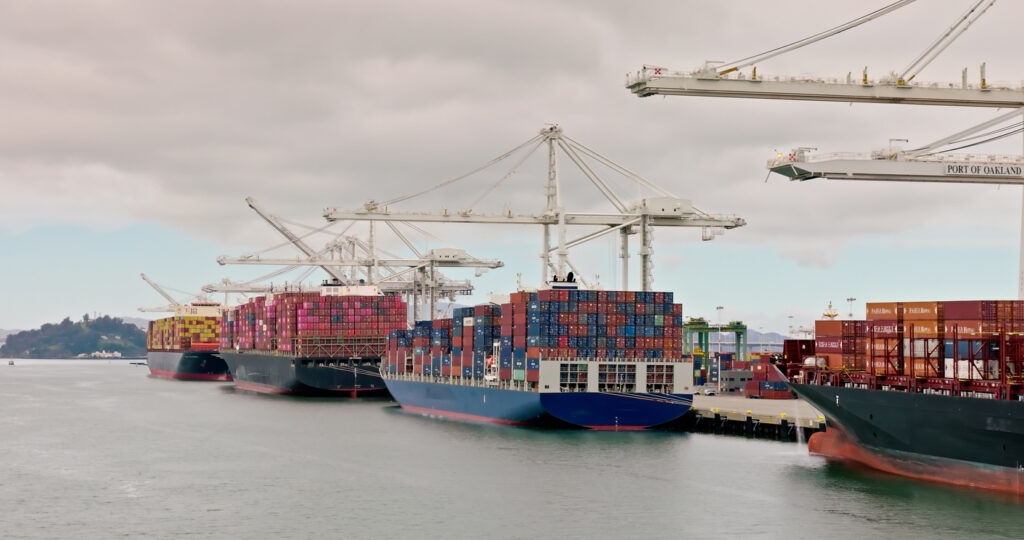
Customs and port delays can lead to storage costs, demurrage, expedited freight, customer credits, and lost sales. Perishable or time-sensitive inventory may lose value or require replacement if delays cause products to miss critical delivery windows.
Trade credit presents another challenge. A distributor may have already paid for inventory, freight, and fulfillment before discovering that a customer cannot or will not pay an invoice. Even when trade credit insurance is in place, not every buyer, receivable, or dispute may be covered.
Warehouse and fulfillment disruptions can create similar gaps. Theft, fire, water damage, labor disruptions, cyber incidents, temperature-control failures, and third-party warehouse issues can generate costs that far exceed the value of the damaged goods.
When Commercial Insurance Is Not Enough
Traditional insurance remains an important part of protecting a distribution business, but it may not cover every loss, delay, or cash flow challenge.
A more complete strategy can combine commercial insurance with stronger contracts, credit controls, supplier terms, cyber protections, inventory planning, dedicated reserves, and access to flexible capital.
For qualified companies, captive insurance may also provide a way to address selected risks that commercial insurance handles poorly or prices inefficiently. A captive can create dedicated claims-paying capacity for covered risks while giving the business greater control over how certain exposures are financed.
The goal is not to replace traditional insurance. It is to build a risk financing strategy that accounts for what commercial coverage may leave behind.
Read the full article here to learn how identifying potential gaps and taking a broader approach to risk financing can help companies protect liquidity, prepare for unexpected costs, and build greater financial resilience.