
Catastrophes Push Firms Towards Captives
For decades, businesses treated catastrophic events as outliers, rare disruptions that could be modeled, insured, and absorbed. That assumption no longer holds.
In a recent article published by Insurance Thought Leadership, Randy Sadler of CIC Services explains what once felt like a “bad year” has quietly become the norm. In the 1980s, the United States averaged just a handful of billion-dollar disasters annually. Today, those events arrive with relentless consistency. Recent years have shattered historical benchmarks, not only in frequency but in financial impact, with losses climbing far faster than most corporate risk strategies were built to handle.
This change hasn’t gone unnoticed by insurers. But the response isn’t simply a “hard market” cycle that will eventually soften. What’s happening is deeper, a recalibration driven by losses that strain decades of actuarial assumptions. Underwriting models that once offered confidence now struggle with volatility. Reinsurers, facing repeated catastrophic seasons, have raised rates to protect their own balance sheets. Primary carriers have followed suit, passing costs and constraints directly to policyholders.
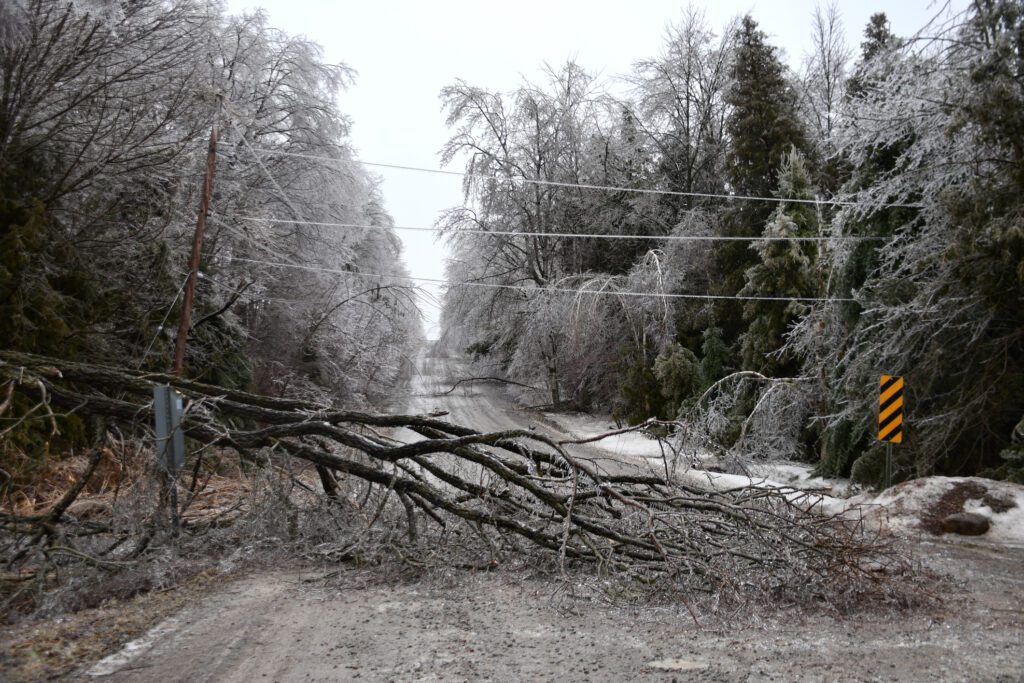
The biggest financial losses increasingly come from disruptions that don’t involve obvious physical damage. A power grid failure halts production. A port closure freezes inventory. Smoke from distant wildfires makes facilities inaccessible. Transportation networks buckle under what would once have been considered a minor storm. Traditional commercial insurance was built around clear, tangible damage. But modern disruptions often create cascading operational losses without triggering those definitions. The result is a widening gap between the risks businesses face and the protection they actually have.
Most businesses aren’t walking away from the commercial insurance market. Traditional coverage remains essential. But forward-looking organizations are acknowledging that it no longer tells the whole story. That shift has led many companies to rethink how they finance retained risk. Higher deductibles, internal reserves, and more deliberate balance-sheet planning are becoming part of the conversation. For a growing number, well beyond large multinationals, captive insurance structures are entering the picture.
Resilience now requires looking beyond traditional coverage and developing strategies for the disruptions that fall through the cracks. Captives and other alternative approaches aren’t cure-alls, but they are practical tools for a world where volatility is the baseline.
Read the full article here to explore how evolving catastrophe risk is changing the rules of insurance and why proactive risk financing is becoming a strategic necessity, not a contingency plan.